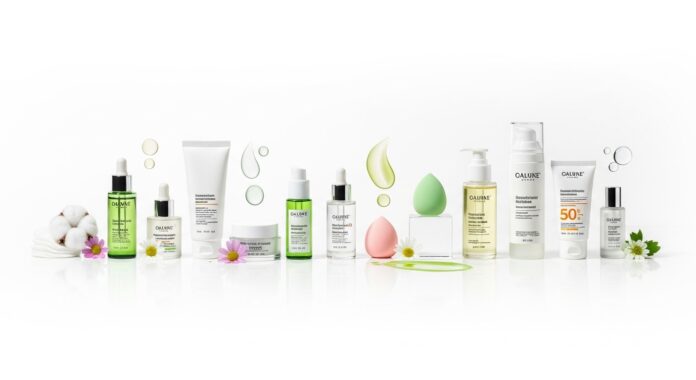
Lily, a young professional dedicated to her skincare, kept running into the same frustrating cycle — persistent breakouts, dullness, products that were supposed to help but never quite delivered. After enough trial and error, she finally saw a dermatologist. The answer turned out to be simpler than she expected: most of her products didn’t actually match her skin type. She’d been treating her skin as generically “problematic” rather than figuring out what it specifically needed.
That mismatch is more common than it sounds. A huge share of skincare frustration comes not from using bad products, but from using genuinely good products that are wrong for the skin they’re being applied to. This guide walks through how to actually assess your own skin — type, tone, concerns, and sensitivity — so the products you choose are working with your skin rather than against it.
Why Knowing Your Skin Actually Matters
Skincare advice online is often written as though there’s one correct answer for everyone — the right cleanser, the right routine, the right order of steps. In reality, the “right” answer depends entirely on the skin it’s for. A product that transforms one person’s complexion can do nothing, or actively cause problems, for someone else, purely because their underlying skin is different.
Understanding your own skin isn’t a one-time diagnosis, either. It shifts with age, seasons, hormones, and even stress, which is part of why a routine that worked well a year or two ago can start underperforming without any change in the products themselves. Treating skin assessment as an occasional check-in, rather than a single starting point, tends to produce better long-term results than sticking rigidly to a routine decided once and never revisited.
Skin Type: The Foundation of Everything Else
Skin type is the most basic and most useful thing to establish, since it shapes almost every other product decision.
Oily skin produces excess sebum, typically showing up as visible shine, enlarged pores, and a tendency toward acne, particularly through the T-zone. Products with heavy, occlusive ingredients tend to feel uncomfortable and can worsen breakouts on oily skin.
Dry skin lacks sufficient natural moisture, often presenting as flakiness, a tight feeling after cleansing, and sometimes visible fine lines that are more about dehydration than actual aging. Dry skin generally tolerates richer, more emollient formulas far better than oily skin does.
Combination skin mixes both patterns — commonly an oilier T-zone (forehead, nose, chin) alongside drier cheeks. This is genuinely one of the trickier types to shop for, since a single product rarely suits both zones equally well.
Sensitive skin reacts more readily to ingredients, fragrance, or environmental triggers, showing up as redness, stinging, or breakouts in response to products that cause no issue for other skin types. This isn’t technically a “type” in the same sense as the others — sensitivity can layer on top of any of the four — but it’s worth assessing separately since it changes what’s safe to use regardless of oiliness or dryness.
The American Academy of Dermatology points to skin type as one of the central factors in choosing appropriate products and treatments — it’s the variable most skincare guidance implicitly assumes you already know, which is exactly why it’s worth confirming rather than guessing.
A Simple Skin Type Test
Cleanse your face with a gentle cleanser, pat dry, and leave it completely bare — no toner, no moisturizer — for about an hour. Then check how it looks and feels:
- Shiny all over, especially through the T-zone: likely oily.
- Tight, possibly flaky, with no real shine anywhere: likely dry.
- Shiny through the T-zone but comfortable or slightly tight on the cheeks: likely combination.
- Comfortable, with no significant shine or tightness: likely normal or balanced.
This test is a reasonable starting point but not perfect — skin can present differently depending on season, recent product use, or even the day’s humidity. Repeating the test a few times over a couple of weeks gives a more reliable picture than a single check.
Skin Tone and Undertone
Skin tone — how light or deep your skin is — and undertone — the underlying hue beneath the surface — are two separate things, and undertone is the one that actually determines which shades of foundation, concealer, and other tinted products will look natural rather than slightly off.
Undertones fall broadly into cool (pink or blue base), warm (yellow or golden base), and neutral (a mix of both). A simple way to check: look at the veins on your inner wrist in natural light. Blue or purple veins generally suggest a cool undertone, green suggests warm, and a mix that’s hard to categorize suggests neutral. This isn’t a perfect method, but it’s a reasonably reliable starting point before testing actual products.
Getting undertone right matters more than getting tone exactly right — a foundation that’s a shade or two off in depth but correct in undertone will generally look more natural than one that’s a perfect depth match but the wrong undertone, which tends to read as slightly grey, ashy, or orange depending on the mismatch.
Identifying Your Specific Skin Concerns
Beyond type and tone, most people have one or two specific concerns worth addressing directly rather than through a generic routine — acne, hyperpigmentation, fine lines, uneven texture, enlarged pores, or persistent redness.
Naming the specific concern matters because it changes which ingredients are actually worth prioritizing. Hyperpigmentation responds to a different set of ingredients (vitamin C, niacinamide, certain acids) than fine lines do (retinoids, peptides, consistent sun protection), and acne responds to yet another set (salicylic acid, benzoyl peroxide, sometimes prescription treatment). A routine built around vague “anti-aging” or “glow” marketing, without matching ingredients to an actual named concern, tends to underperform compared to one built around what your skin is specifically dealing with.
It’s worth being honest about which concern is actually the priority, too. Trying to address several significant concerns at once, each with a different active ingredient, is one of the more common causes of irritation — the skin ends up overloaded before any single concern gets consistent enough treatment to show results.
Understanding Your Skin’s Sensitivity
Sensitivity is worth assessing independently of type, since it affects how cautiously you should introduce new products regardless of whether your skin runs oily, dry, or combination.
Signs of higher sensitivity include a history of reacting to new products, visible redness that flares easily, stinging or burning with products that don’t bother most people, and a tendency toward conditions like eczema or rosacea. If several of these sound familiar, prioritizing fragrance-free, minimal-ingredient formulas and introducing anything new gradually is a safer approach than following a routine built for more resilient skin.
A proper patch test is the most reliable way to check tolerance before committing to a new product on your face: apply a small amount to the inner forearm or behind the ear, and wait 24 to 48 hours, checking for redness, itching, or irritation before using it anywhere more visible or sensitive.
Putting the Assessment Into Practice
Once you have a clearer picture of type, undertone, primary concern, and sensitivity level, the practical next step is matching product choices to that picture rather than to whatever’s trending or heavily marketed.
For skin type: oil-free, mattifying formulas for oily skin; richer, more emollient ones for dry skin; a mixed approach — lighter through the T-zone, richer on the cheeks — for combination skin.
For undertone: shop for foundation and concealer specifically within your undertone category first, then narrow by depth, rather than starting with depth and hoping the undertone works out.
For your primary concern: choose one or two targeted active ingredients that address it directly, rather than a long list of products each claiming to do something different.
For sensitivity: favor short ingredient lists, fragrance-free formulas, and a slower introduction pace — one new product at a time, weeks apart, rather than overhauling a routine all at once.
How Your Skin Changes Over Time
Skin type and needs aren’t fixed for life, and assuming they are is one of the more common reasons a once-effective routine quietly stops working.
Age shifts things gradually. Oil production tends to decrease with age, which means skin that ran genuinely oily in your twenties can shift toward normal or even dry by your forties or fifties. A routine built entirely around managing oiliness can end up too harsh or drying if it’s never revisited.
Seasons cause shorter-term shifts. Skin that behaves as combination or normal in summer humidity can run noticeably drier in winter, when indoor heating and cold outdoor air both pull moisture from the skin. Some people benefit from essentially two routines — a lighter one for warmer months, a richer one for colder ones — rather than a single year-round formula.
Hormonal changes matter too. Pregnancy, menstrual cycles, and menopause can all shift oil production, sensitivity, and pigmentation, sometimes significantly. Skin that reacts differently during specific times of the month, or over the course of a pregnancy, isn’t unusual — it’s a fairly well-documented pattern worth expecting rather than being confused by.
Environment and lifestyle play a role as well. A change in climate, water quality, pollution exposure, or even sleep and stress levels can shift how skin behaves, sometimes independent of anything applied topically. If skin changes without an obvious product-related cause, it’s worth considering what else has changed in daily life before assuming a new product is to blame.
The practical takeaway is to treat your skin assessment as something to revisit periodically — once or twice a year is reasonable for most people — rather than a fixed diagnosis made once and never reconsidered.
Common Mistakes When Assessing Your Own Skin
Testing skin right after using a product. Residue from a previous cleanser, moisturizer, or makeup can distort how skin looks and feels, leading to an inaccurate read on natural oil production or dryness. Always assess on genuinely bare, freshly cleansed skin.
Judging skin type from a single day. Weather, stress, diet, and even how much water you’ve had can all shift how skin presents on any given day. A pattern observed over one or two weeks is far more reliable than a single snapshot.
Assuming all redness or breakouts mean sensitivity. Reactions can come from a specific ingredient, a new product, an unrelated skin condition, or something environmental entirely. Sensitivity is a real and useful category, but not every reaction should be filed under it without checking whether a specific trigger is actually responsible.
Chasing someone else’s routine without checking fit first. A skincare routine that works beautifully for a friend, an influencer, or a stranger online was built around their specific skin — type, tone, concern, and sensitivity all included. Copying it exactly without checking whether those factors actually match your own skin is a common source of disappointing results with genuinely good products.
When to Bring in a Professional
Self-assessment goes a long way, but it has real limits. Persistent acne that doesn’t respond to over-the-counter treatment, unexplained or worsening redness, sudden changes in skin texture or new growths, or reactions you can’t trace to a specific product are all situations where a dermatologist’s assessment is worth more than continued guessing. A professional can also run more precise tests than a mirror and an hour of bare skin can offer, and can rule out underlying conditions that present similarly to more common concerns but need different treatment entirely.
Final Thoughts
Lily’s experience — good products, wrong match — is a common story precisely because skincare advice is so often written generically, as though every reader’s skin is the same. It isn’t. Taking the time to actually identify your skin type, undertone, primary concerns, and sensitivity level turns skincare from trial and error into something considerably more direct: choosing products because they suit your specific skin, not because they worked for someone else’s.

