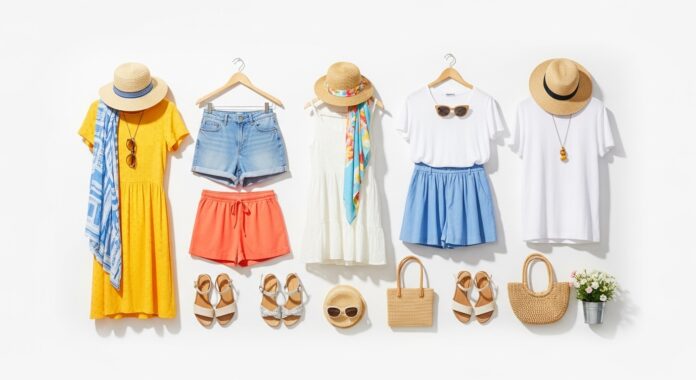
Walk through any street market on a hot afternoon and you’ll see it immediately — women in flowy dresses that move with the breeze, men in linen shirts rolled up at the sleeves, everyone dressed for comfort first and style second. That’s really what summer wear clothes are about. It’s not about following a strict formula; it’s about picking pieces that let you move, breathe, and still look put together.
This guide walks through what actually matters when building a summer wardrobe — for women, for men, and for the in-between occasions that don’t fit neatly into either category. It also covers the mistakes people tend to make when shopping for summer clothes, and how to avoid ending up with a closet full of pieces you never reach for.
Why Summer Wardrobes Look Different Now
Summer fashion has shifted a lot over the past decade. Fabric technology has improved, so breathable cotton and linen blends are easier to find at every price point than they used to be. At the same time, more shoppers are asking where their clothes come from and what they’re made of, which has pushed brands toward using natural, lower-impact fabrics instead of synthetic blends that trap heat.
There’s also been a shift in how people think about “summer clothes” as a category. It used to mean beachwear and not much else. Now it covers everything from office-appropriate linen trousers to wedding-season dresses to weekend travel outfits — which means the old idea of a single “summer capsule wardrobe” doesn’t really hold up anymore. Most people need a small range of pieces that cover different parts of their week, not one aesthetic repeated five times.
None of this means you need to overhaul your closet every season. It just means you have better options than you did a few years ago — lighter fabrics, more size-inclusive cuts, and styles that hold up to actual summer weather instead of just looking good in a photo.
Women’s Summer Wardrobe Essentials
For women, the summer dress usually does the heavy lifting. A-line and wrap dresses have stayed popular for a reason — they’re forgiving on different body shapes and easy to dress up or down with the right accessories. But dresses are only part of the picture, and building a wardrobe around one silhouette usually leaves gaps.
A few things worth prioritizing:
Fabric first. Cotton and linen breathe better than polyester blends, which matters more than the cut once temperatures climb. If a fabric doesn’t let air through, no amount of styling will make it comfortable past midday. Viscose and rayon are decent middle-ground options if you want drape without the wrinkling that comes with pure linen.
Silhouettes that move. Flared skirts, wrap dresses, and loose-fit trousers handle humidity better than anything tight or structured. Wide-leg linen pants have become a genuine alternative to shorts for anyone who wants coverage without the heat of denim.
Layering pieces that don’t add bulk. A lightweight kimono, a linen shirt worn open over a tank, or a cropped cardigan for overly air-conditioned spaces — these solve the problem of temperature swings between outdoor heat and indoor cold without weighing an outfit down.
Sun protection built in. Wide-brimmed hats and lightweight cover-ups aren’t just accessories — they genuinely reduce how much sun exposure you get on long days outdoors. A cotton scarf can double as sun protection and an accessory at the same time.
Sustainable fabric options have also become easier to find, so if that’s a priority, look for labels that mention organic cotton, linen, or Tencel rather than generic “eco-friendly” claims with no detail behind them. Reading the fabric composition tag is still the fastest way to tell if a garment will actually hold up to summer wear or just look right on a hanger.
Men’s Summer Style: Comfort Without Losing Polish
Men’s summer wear has moved past the plain t-shirt-and-shorts default. Linen shirts and tailored shorts are now common enough that they don’t read as “dressed up” — they’ve become the everyday standard for anyone who wants to look intentional without sweating through their clothes by noon.
What tends to work well:
Linen or linen-cotton blends for shirts — they wrinkle, but that’s part of the look, not a flaw. A slightly creased linen shirt reads as relaxed rather than sloppy, which is part of why it’s become a summer staple rather than a fading trend.
Tailored shorts over baggy cuts, which look neater and photograph better for anything semi-formal. A length that hits just above the knee tends to work across the widest range of body types and occasions.
Muted or pastel color palettes as an alternative to plain white or navy — easy to wear without feeling like a statement piece. Sage green, dusty blue, and warm tan have all become reliable neutrals alongside the usual white and navy.
Breathable footwear. Canvas sneakers, loafers without socks, or leather sandals all do more for comfort in the heat than people give them credit for. Closed leather shoes in peak summer are one of the more common wardrobe mistakes, even when the rest of the outfit is right.
The goal is clothing that transitions from a daytime errand to a casual dinner without a full outfit change. That’s a more useful standard to shop by than chasing whatever’s trending for a single season.
Building Outfits for Different Summer Occasions
Not every summer day calls for the same outfit, and that’s where a lot of wardrobes fall short — people buy for the beach and then have nothing for a summer wedding or an office day.
Casual and everyday: Loose dresses, linen shirts, breathable trousers, and comfortable sandals. Prioritize fabric and fit over trend-chasing. This is the category that gets the most wear, so it’s worth spending a little more here than on anything you’ll only wear once or twice.
Beach or outdoor: Swimwear with a cover-up, wide-brimmed hats, and sunglasses that actually block UV — not just tinted lenses. A light, packable tote goes further than people expect, especially if it can go from beach bag to everyday carry without looking out of place.
Office or work settings: Linen-blend trousers, short-sleeve button-downs, and midi dresses in structured (not sheer) fabrics tend to read as professional without the heat of full suiting. A blazer in a lightweight fabric is worth keeping on hand even in summer, for the days air conditioning runs colder than the weather outside.
Semi-formal summer events: Maxi dresses or jumpsuits for women, tailored short-sleeve shirts with chinos for men. These pieces read as put-together without feeling heavy in the heat, and they’re flexible enough to work for anything from a garden party to a summer wedding with the right accessories.
Travel: Wrinkle-resistant fabrics matter more here than anywhere else. Linen-cotton blends, jersey knits, and pieces that can be rolled rather than folded save space and still look presentable after a full day of travel.
Common Mistakes Worth Avoiding
A few patterns show up again and again in summer wardrobes that don’t quite work:
Buying purely for the beach and ending up with nothing for everyday wear. Beach-specific pieces — swimwear, cover-ups, flip-flops — have a narrow use case. It’s worth balancing those purchases with versatile pieces that cover more of the week.
Choosing synthetic fabrics because they’re cheaper or wrinkle-free. They often don’t breathe, which defeats the purpose of “summer” clothing in the first place. A slightly more expensive linen or cotton piece usually gets more actual wear than a polyester one that sits in the closet because it’s uncomfortable to wear outdoors.
Ignoring footwear. An outfit built around breathable fabric loses most of its benefit if it’s paired with closed, non-breathable shoes. Footwear is often the last thing people think about, but it has an outsized effect on how comfortable an outfit actually feels by the afternoon.
Skipping sun protection because it feels like an afterthought. Hats, lightweight scarves, and UV-blocking sunglasses do real work, not just aesthetic work, and they’re easy to build into an outfit rather than treat as separate gear.
Timeless Patterns That Still Work
Some patterns never really go out of rotation — stripes, polka dots, gingham. Part of why they hold up is that they’re easy to mix with solid pieces you already own, so you don’t need to rebuild an outfit from scratch around them. A striped dress that works for a daytime outing can usually carry into evening with a change of shoes and jewelry, which makes it a more practical buy than something trend-specific.
Gingham in particular has stayed a summer staple because it reads as casual without looking careless — it works for a picnic as easily as it works for a brunch. Polka dots do something similar for dressier pieces, bridging the gap between playful and put-together.
Shopping Smart: Budget and Longevity
Not every piece in a summer wardrobe needs to be an investment buy, but it’s worth being deliberate about where the money goes. A few well-made basics — a linen shirt, a versatile dress, a pair of tailored shorts — tend to earn back their cost through repeated wear far more than a cart full of trend pieces bought for a single event.
Checking fabric composition before checking price is a useful habit here. A cheaper cotton-blend piece will often outperform a similarly priced synthetic one in both comfort and how long it lasts through repeated summer washes. Where budget is tight, it’s usually smarter to buy fewer, better pieces in neutral colors that mix easily, rather than a full new outfit for every occasion on the calendar.
What’s Changing Going Forward
Two things are shaping where summer fashion is headed: better fabric technology and more demand for pieces that fit a wider range of body types and price points. Expect to see more brands leaning into natural fibers, moisture-wicking blends, and modular pieces that can be styled multiple ways — which is a more useful trend for shoppers than seasonal “must-haves” that only work for a few weeks.
Size-inclusive ranges have also expanded in the past few years, meaning the classic silhouettes — wrap dresses, tailored shorts, linen shirts — are now available in a wider range of fits than before, rather than being designed around a single body type and adjusted after the fact.
Frequently Asked Questions
What fabric is best for summer wear clothes? Cotton, linen, and linen-cotton blends breathe better than polyester or other synthetic fabrics, making them more comfortable in heat and humidity. If wrinkling is a concern, a linen-cotton or linen-viscose blend offers a middle ground between breathability and a smoother finish.
What should I look for in a sustainable summer wardrobe? Look for specific fabric names — organic cotton, linen, Tencel — rather than vague “eco-friendly” labeling, and prioritize pieces you’ll wear across multiple seasons rather than one-off trend items.
Can the same outfit work for both casual and semi-formal summer occasions? Often, yes. A versatile piece like a wrap dress or a tailored linen shirt can be dressed up or down with different shoes and accessories, which makes it a more practical purchase than something designed for a single occasion.
Is it worth buying separate clothes just for the beach? A few beach-specific pieces are useful — swimwear and a cover-up, mainly — but it’s worth balancing those with clothing that works for the rest of the week too, so the wardrobe doesn’t end up unbalanced toward one occasion.
Final Thoughts
A good summer wardrobe isn’t about owning the most trend-forward pieces — it’s about having clothes that hold up in the heat and still feel like you. Start with fabric, pick silhouettes that move, and build outfits around a handful of versatile pieces rather than one-off statement items. Whether that’s a linen shirt, a wrap dress, or a well-cut pair of shorts, the pieces that earn their place in a summer closet are the ones you’ll actually reach for on a hot afternoon.

