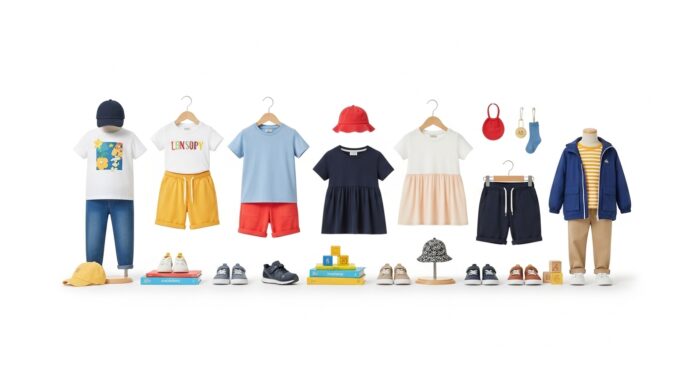
It was a sunny Saturday morning when Sara stood at her son’s closet, wondering how he’d outgrown his favorite T-shirt yet again. Parents everywhere know this feeling. Kids don’t just grow out of clothes fast — they need clothes that keep up with how much they move, and clothes that still look like something they’d actually choose. Finding all three at once — style, comfort, and room to grow — is less a trend and more a genuine parenting skill.
This guide walks through what’s actually shaping kids’ fashion right now, how to think about dressing different age groups, and the habits that make a kids’ wardrobe easier to manage instead of a constant game of catch-up.
Why Kids’ Fashion Choices Matter More Than They Used To
Children’s fashion has changed shape over the past few years. Parents are asking more of kids’ clothing than they used to — not just a cute print, but fabric that holds up to actual play, a cut that survives a growth spurt, and increasingly, a production process they don’t feel bad about. Brands have responded by treating kidswear less as a smaller version of adult fashion and more as its own category with its own real requirements.
That shift shows up in small but meaningful ways: softer seams so nothing chafes, fabric blends that stretch without losing shape, and prints and colors that actually reflect what kids are drawn to rather than what a catalog assumes they’ll like. There’s also been a broader move toward gender-neutral basics — solid colors, simple silhouettes, and prints that aren’t split strictly into “boy” and “girl” sections — which gives families more flexibility, especially when clothes get handed down between siblings.
The Style-Comfort-Growth Triangle
Stylish kids’ clothing that actually says something. Plain T-shirts and basic jeans haven’t disappeared, but they’re no longer the whole story. Bold patterns, playful graphics, and pieces that let a kid’s personality come through have become the norm rather than the exception — kids’ fashion has caught up to the idea that children have taste too, not just parents. Even young kids tend to have strong opinions about what they want to wear, and clothing that respects that tends to get worn happily instead of becoming a daily argument.
Comfort that doesn’t get compromised. Soft, stretchable fabrics — organic cotton blends especially — are the baseline most parents look for now, not a premium extra. Clothes that move with a child rather than against them make a real difference over the course of an actual day of running, climbing, and everything else kids do without thinking about it. Flat or covered seams, tagless labels, and soft waistbands matter more than they sound like they would, particularly for kids who are sensitive to texture.
Clothes built to grow, not just fit today. Adjustable waistbands, roomier hems that can be let down, and fabrics with real stretch all extend how long a piece stays useful. For families buying for more than one child, or replacing a wardrobe every few months, this is where the actual savings show up — not in a lower price tag, but in fewer replacements. A pair of pants with an adjustable waist and a generous hem can often stretch across two full growth spurts instead of one.
Dressing by Age: What Actually Changes
Kids’ clothing needs shift a lot between a toddler and a tween, and it’s worth thinking about each stage separately rather than shopping the same way for a five-year-old and a twelve-year-old.
Toddlers (1–3 years). Ease of dressing matters most here — elastic waists, snap closures instead of tiny buttons, and fabric soft enough for constant crawling, sitting, and falling. Durability against stains matters too, since this age group tends to test every piece of clothing against food, dirt, and paint within the first wear.
Preschoolers (3–5 years). This is often when kids start expressing real preferences about what they wear, so having a few pieces they’re excited about — a favorite color, a print they picked themselves — helps mornings go more smoothly. Clothes also need to hold up to a lot of independent dressing and undressing, so simple closures still matter.
School-age kids (5–10 years). Durability becomes the priority — playground wear and tear, PE classes, and long school days all put real stress on fabric. This is also where layering starts to matter more, since kids in this age range are often moving between air-conditioned classrooms and outdoor recess multiple times a day.
Tweens (10–13 years). Style preferences get more specific, and off-the-rack “kids’” cuts sometimes stop fitting the way they used to as body shapes start to change. Involving tweens directly in shopping decisions — rather than choosing for them — tends to lead to a wardrobe that actually gets worn, instead of pieces that sit unused because they don’t feel age-appropriate to the kid wearing them.
Sustainable Kids’ Wear: Better for Skin, Better for the Planet
Sustainable kids’ wear has moved from a niche interest to something a lot of parents actively look for. More brands are working with organic or recycled fabrics and more transparent production practices, and there’s a practical upside beyond the environmental one — those same fabrics also tend to be gentler on sensitive skin, which matters a lot for younger kids prone to irritation from synthetic blends.
If sustainability is a priority, the easiest place to start is the fabric label itself — organic cotton, bamboo blends, and other natural fibers are usually a safer bet than a vague “eco-friendly” claim with no specifics behind it. Secondhand and resale platforms have also become a much bigger part of how families shop for kids’ clothes, partly for cost reasons and partly because children outgrow pieces long before they wear out — a lightly used item often has plenty of life left in it for another child.
Seasonal Considerations Parents Often Miss
Kids’ wardrobes need to flex with the seasons in ways that are easy to overlook when you’re mainly shopping reactively.
Layering over bulk. A few thin, breathable layers usually work better than one heavy piece — they’re easier for a child to manage independently, and they adapt better to a school day that might start cold and warm up by lunchtime.
Footwear that matches actual activity. Shoes get overlooked in a lot of wardrobe planning, but growing feet and active play mean kids’ shoes wear out faster than most parents expect. Rotating between at least two pairs extends the life of both and gives sweaty shoes time to air out between wears.
Rain and mud gear as a category of its own. Waterproof jackets and boots aren’t just for looks — kids who are dressed for genuinely bad weather tend to play outside more happily than kids constantly told to avoid puddles because their shoes aren’t up to it.
Tips for Building a Smart Kids’ Wardrobe
A few habits make the biggest difference over time:
- Build around versatile basics that mix and match easily, rather than one-off outfits that only work with themselves.
- Stick to machine-washable fabrics — anything that demands special care rarely survives a busy household for long.
- Prioritize stretchy or adjustable fits that can absorb a growth spurt instead of forcing an early replacement.
- Look toward brands that are transparent about their materials and production, especially for pieces worn daily.
- Buy slightly ahead of size when it makes sense — a longer hem or roomier cut in a growing child’s wardrobe often gets a full extra season of wear.
- Rotate secondhand or hand-me-down pieces into the mix for fast-growing stages, saving new purchases for items that’ll get heavier, longer-term wear.
- When style and comfort genuinely conflict, let comfort win — an outfit a child won’t stop fidgeting with isn’t doing its job, however good it looks on a hanger.
For fabric specifically, organic cotton, bamboo blends, and moisture-wicking soft knits tend to hold up best for school and everyday play — breathable enough for an active day and durable enough to survive the laundry cycle that comes with one.
A Few Common Mistakes Worth Avoiding
Overbuying trend pieces is probably the most common one — a single graphic tee tied to a passing interest gets worn a handful of times before the interest moves on, while a plain, well-made basic quietly gets worn every week for a year. It’s worth weighting a wardrobe toward the second kind of piece and treating trend items as the smaller, occasional addition.
Ignoring fit until it’s a problem is another. Kids rarely complain proactively about clothes that no longer fit well — a waistband that’s gotten tight or sleeves that have crept up past the wrist often go unnoticed until it’s fairly obvious. A quick seasonal check, rather than waiting for a complaint, catches this earlier.
Buying exclusively by size number rather than by brand fit is a smaller but real issue — sizing varies enough between brands that the same age or height label can fit noticeably differently. Once you find a brand that consistently fits your child well, it’s often worth sticking with it rather than starting from scratch with every purchase.
Where to Spend and Where to Save
Not every category of kids’ clothing needs the same level of investment, and figuring out where quality genuinely matters helps stretch a budget further without cutting corners on the pieces that actually need it.
Worth spending more on: outerwear that gets worn daily through a full season, shoes that support actual growth and activity, and any piece worn for school five days a week. These get enough use that the cost per wear ends up low even with a higher upfront price, and better construction genuinely holds up longer under that kind of repeated use.
Fine to save on: occasion wear worn once or twice, trend-driven pieces tied to a temporary interest, and anything in a fast-growing size range where the piece will likely be outgrown before it wears out. Secondhand shops, resale platforms, and hand-me-downs are particularly well suited to this category — there’s little reason to buy new for something that’ll fit for eight weeks.
Thinking in these terms — cost per wear rather than price tag alone — tends to lead to a more balanced wardrobe than either extreme of buying everything premium or everything at the lowest possible price.
Final Thoughts
Kids’ fashion in 2025 isn’t about chasing every micro-trend — it’s about clothes that hold up to how children actually live: fast growth, constant movement, and their own emerging sense of what they like. Whether you’re shopping for a toddler or a tween, the pieces worth buying are the ones that balance a fun look with fabric and fit that can keep up. Get that balance right, and the wardrobe takes care of itself for longer than you’d expect — fewer emergency shopping trips, fewer clothes outgrown before they’re worn out, and a lot fewer mornings spent standing in front of a closet wondering where the time went.
What matters most to you when shopping for your child’s clothes — style, comfort, or sustainability? Worth thinking about before the next growth spurt hits.

