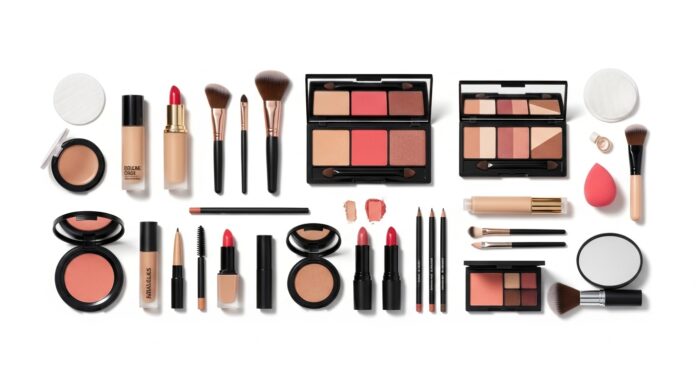
Jane, a young professional, had always admired the flawless makeup looks she saw on social media but felt overwhelmed by the complexity of achieving them. After years of sticking to the basics, she decided to actually dive into makeup tutorials rather than just watching them scroll by. Within a few videos, she was following along step by step through a glamorous evening look — contouring, eyeliner, the works. Techniques that had looked intimidating turned out to be a sequence of small, learnable steps. What changed for Jane wasn’t just her makeup. It was the confidence that came from realising she could actually learn this, rather than treating it as a skill some people are just born with.
That’s really what tutorials are good for — not handing you someone else’s exact look, but breaking a complex skill into pieces small enough to practice. This guide covers the different types of tutorials worth knowing, what you actually get out of following them, and how to get more out of the ones you watch.
Why Makeup Tutorials Took Off
Makeup tutorials have become one of the dominant ways people learn beauty techniques, and it’s easy to see why. Video shows things static images and written instructions can’t — the actual pressure of a brush, the order products go on, how a blend is built up in real time rather than described after the fact. Platforms like YouTube and Instagram turned what used to require a professional lesson or a lot of trial and error into something anyone can watch, pause, and rewind as many times as needed.
That accessibility has genuinely changed who gets to learn advanced techniques. Skills that once lived mostly with professional makeup artists — precise contouring, colour correction, cut creases — are now demonstrated step by step by creators at every skill level, often for free. Whether you’re picking up the basics or refining something more advanced, there’s a real depth of tutorial content out there now covering nearly every technique and skill level.
Types of Makeup Tutorials Worth Knowing
Beginner tutorials cover the fundamentals — applying foundation evenly, using concealer correctly, mascara without clumping. These tend to be the most-watched category for good reason: they build the base that every other technique sits on top of. If you’re newer to makeup, this is genuinely the right place to start, even if the more advanced content is more tempting to watch.
Advanced technique tutorials go deeper into specific skills — contouring and sculpting, cut creases, colour theory and blending, precision eyeliner. These assume a working familiarity with the basics and focus on refining control and technique rather than covering fundamentals again.
Celebrity-inspired looks walk through recreating a specific look worn by a well-known figure — a red carpet moment, a signature everyday style. These are popular because they give a clear, specific goal to work toward rather than an abstract technique, which makes practice feel more concrete.
Seasonal and thematic tutorials focus on looks tied to a particular time of year or occasion — a bold holiday look, a dewy summer glow, a look built around a specific event like a wedding or a night out. These are useful less for the exact look itself and more for picking up techniques tied to a particular mood or finish.
What You Actually Get From Following Tutorials
Real skill development. The single biggest benefit of tutorials is structure — watching someone break a technique into an actual sequence, rather than guessing at the order or the amount of product to use. Repetition matters here more than any single video; the technique sinks in through practice, not through watching once.
Customization for your own face. Good tutorials increasingly address different skin types, tones, and face shapes rather than assuming one approach fits everyone. A contouring tutorial aimed at an oval face won’t translate directly to a round or square one, so looking for tutorials that address your specific features tends to be more useful than following whatever’s most popular.
Low-cost access to real technique. Free tutorials have made genuinely professional-level technique available to anyone with an internet connection, without the cost of in-person lessons. That’s a meaningful shift from a decade or two ago, when a lot of this knowledge was harder to access outside the industry itself.
Staying current with trends. Techniques and preferred looks shift over time — heavy contouring giving way to more natural, “skin” finishes is a good recent example. Following tutorials regularly is one of the easier ways to notice these shifts as they happen, rather than realising months later that a technique has quietly gone out of style.
Getting More Out of the Tutorials You Watch
Match the tutorial to your actual skill level. It’s tempting to jump straight to advanced content, but a beginner tutorial that properly covers the fundamentals will do more for your long-term skill than an advanced one you can’t fully follow yet. Build the base first.
Practice the technique, not just the look. Watching a tutorial once rarely translates directly into being able to do it yourself. The value comes from actually picking up a brush and following along, ideally more than once, rather than treating the video as passive entertainment.
Invest in a few good tools. Technique matters more than product price, but a genuinely poor-quality brush or sponge can undermine even correct technique — uneven application, product that doesn’t blend the way it’s supposed to. You don’t need an expensive full kit, but a couple of well-made basics (a blending brush, a decent sponge) make a real difference.
Don’t try to master everything at once. Pick one technique — winged eyeliner, a soft contour, a smoky eye — and practice it across a few sessions before moving to the next. Trying to absorb an entire advanced tutorial’s worth of new skills in one sitting usually means retaining very little of it.
Watch more than one source for the same technique. Different creators explain the same technique in different ways, and one explanation that doesn’t click might make complete sense from someone else. If a particular technique isn’t landing, it’s often worth finding a second tutorial on the same thing rather than assuming the technique itself is too hard.
Engage with a community if it helps you stay motivated. Beauty forums and social media groups built around makeup can be a source of feedback and encouragement, particularly in the early stages when practice can feel slow and results inconsistent. This isn’t essential, but for some people it makes the difference between sticking with practice and giving up after a few attempts.
Finding Creators Worth Following
Not every popular tutorial is a well-taught one, and view count doesn’t always correlate with clarity. A few things tend to separate genuinely useful creators from ones that are just entertaining to watch.
Clear explanation of why, not just what. The most useful tutorials explain the reasoning behind a step — why a particular brush shape works better for a certain blend, why product goes on in a specific order — rather than just narrating actions. That reasoning is what lets you adapt the technique later to your own face, rather than only being able to repeat it exactly as shown.
Realistic pacing. Tutorials that move through complex steps in a few seconds are often edited for entertainment rather than instruction. Creators who slow down on the genuinely tricky parts — blending transitions, precise liner strokes — tend to be more useful to actually learn from, even if the videos are longer.
Content that matches more than one face shape or skin tone. A creator who occasionally addresses how a technique shifts for different features, rather than only ever demonstrating on their own face, tends to translate better to your own results.
A body of content, not just one viral video. A single well-produced tutorial can be misleading about how useful a creator’s overall teaching style is. Watching two or three additional videos from the same source gives a better sense of whether their approach consistently makes sense to you.
A Simple Framework for Practicing New Techniques
A little structure makes tutorial practice considerably more effective than watching passively and hoping it sinks in.
Watch once, fully, without touching a brush. Get the whole sequence in your head before attempting anything, so you’re not pausing every five seconds during your first attempt.
Attempt it in stages. Rather than trying to nail an entire look start to finish, break it into two or three sections — base, eyes, final blending, for instance — and get comfortable with each stage before combining them.
Compare your result honestly, not critically. Looking at your attempt next to the tutorial is useful for spotting what to adjust; using it purely to criticise your own effort just makes the next attempt feel worse. A rough first or second attempt is normal, not evidence the technique isn’t for you.
Repeat before moving to the next tutorial. One successful attempt at a new technique isn’t the same as having actually learned it. Repeating a technique across a few different days — not just back-to-back — is what makes it something you can eventually do without a video playing alongside you.
Common Mistakes When Learning From Tutorials
Skipping the basics to chase advanced looks. It’s a common pattern — jumping straight to a dramatic cut crease before ever really practicing basic eyeshadow blending. The advanced techniques build on the fundamentals, and skipping ahead usually just means more frustration.
Trying to exactly replicate someone else’s face. A tutorial demonstrates technique on one specific face shape, skin tone, and set of features. The goal is understanding the underlying method, not expecting an identical result on a different face — adapting the technique to your own features matters more than copying it exactly.
Buying every product shown in a tutorial. Creators often use specific branded products, but the technique itself rarely depends on that exact product. It’s worth understanding what a product is doing functionally — a cream contour versus a powder one, for instance — so you can substitute with what you already own rather than assuming you need to buy everything shown.
Giving up after one attempt. Most techniques look effortless in a tutorial because the creator has done them hundreds of times. A rough first attempt is normal, not a sign the technique is beyond you.
Building Toward Your Own Style
Tutorials are most useful as a foundation, not a finished destination. Once a handful of techniques feel comfortable, the more interesting part is starting to mix and adapt them — taking the blending approach from one tutorial, the liner technique from another, and combining them into something that’s recognisably your own rather than a copy of any single video.
That’s really the endpoint worth aiming for: not perfectly recreating someone else’s look, but building enough technical comfort that you can make your own decisions about what works for your face, your preferences, and the occasion — with tutorials as the resource you go back to whenever there’s a new technique worth learning.
Final Thoughts
Jane’s shift from admiring makeup looks online to actually learning the techniques behind them is a fairly common arc, and it’s a genuinely achievable one. Tutorials work because they turn something that looks intimidating into a sequence of small, practiceable steps. Start with the fundamentals, practice consistently rather than watching passively, and be patient with the early attempts that don’t look like the video. The confidence and creativity that follow tend to matter more than any single technique learned along the way.

