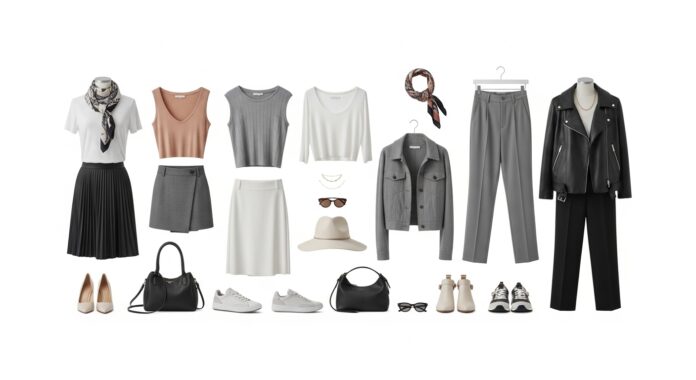
Scroll through Instagram on any given morning and you’ll run into it within seconds — a perfectly framed #OOTD shot, golden light, an outfit that looks effortless but clearly wasn’t. It’s not just a photo. For a lot of people, it’s become a small daily ritual: get dressed, capture it, share it, and see who else is doing the same thing that day.
OOTD started as a simple way for fashion lovers to document what they were wearing, and it’s grown into something closer to a shared language — a way people signal their taste, their mood, and sometimes their entire personal brand, one outfit at a time.
Why OOTD Caught On
Part of what makes OOTD different from traditional fashion media is how unpolished it’s allowed to be. A runway show feels distant. An OOTD post, even a carefully composed one, still reads as something a real person put together that morning — which is exactly why it resonates the way it does.
Fast fashion played a role here too. Brands built around quick turnaround and low prices made it easier for people to experiment with a new look every few days without the cost adding up the way it would with a designer wardrobe. That accessibility is a big part of why OOTD became something almost anyone could participate in, not just people with a stylist or a serious clothing budget.
Using OOTD to Build a Personal Style Identity
For a lot of people, OOTD isn’t really about any single outfit — it’s about the pattern that builds up over weeks and months. Posting consistently, in a recognizable style, ends up saying something about who you are without a single caption spelling it out. Minimalist, boho, streetwear, maximalist — whatever the lane, repetition is what turns a string of outfit photos into a recognizable identity.
For creators and influencers, that consistency matters commercially too. Brands tend to notice accounts with a clear, dependable aesthetic before they notice one-off viral posts, because a defined style is easier to build a partnership around. It’s less about chasing a single big moment and more about being reliably, recognizably yourself, post after post.
How Technology Changed the Way We Post
Smartphone cameras and editing apps have done a lot of the heavy lifting behind the “effortless” look — natural light, a clean edit, a filter that doesn’t feel too obvious, and a plain outfit photo turns into something that looks closer to an editorial shot. Shopping has followed the same shift: tools that let people tag exactly what they’re wearing mean an OOTD post can double as a place to shop the look, not just admire it.
Augmented reality try-on tools are also starting to show up more, letting people test how a piece looks before buying it. That’s a small but real change in how OOTD content gets made — less guessing, more trying things virtually before committing to an actual outfit.
Tips for a Better OOTD Post
A good OOTD post isn’t really about luck. A few things consistently make a difference:
Light first. Natural light, especially in the hour after sunrise or before sunset, does more for a photo than any filter will. Harsh midday sun tends to wash things out.
Pick your background on purpose. A plain wall or minimal setting puts the focus on the outfit. A textured or colorful backdrop adds personality but can compete with what you’re wearing if you’re not careful.
Practice the pose, briefly. You don’t need a professional shoot — just a few angles that actually show the outfit clearly, rather than one flat, straight-on shot.
Write a caption with something in it. Where the piece came from, why you paired it that way, a quick styling tip — a caption that adds something tends to get more genuine engagement than one that’s just a string of hashtags.
Use hashtags with intent. A few relevant ones — #OOTD, #StyleOfTheDay, location or event tags where relevant — do more than a long list of generic ones.
Where OOTD Is Headed
The next stretch of OOTD culture looks like it’s shaped by two things pulling in the same direction: better tools for virtual styling and try-on, and a growing expectation that the clothes themselves come from somewhere more sustainable. More younger shoppers are factoring in how a piece was made, not just how it photographs — which means the outfits people are proud to post are starting to shift too, not just the way they’re shared.
Final Thoughts
OOTD has moved well past being a passing hashtag trend. It’s become a genuine way people share style, build an audience, and — for some — turn a daily habit into real opportunities with brands. Whether you’re posting for ten followers or ten thousand, the posts that hold up over time tend to be the honest ones: an outfit that’s actually you, photographed well, and shared because you wanted to — not because it was designed to perform.

 game. Learn how to style effortlessly, mix and match pieces, and post with confidence.)