The Top UK Clothing Brands Worth Knowing
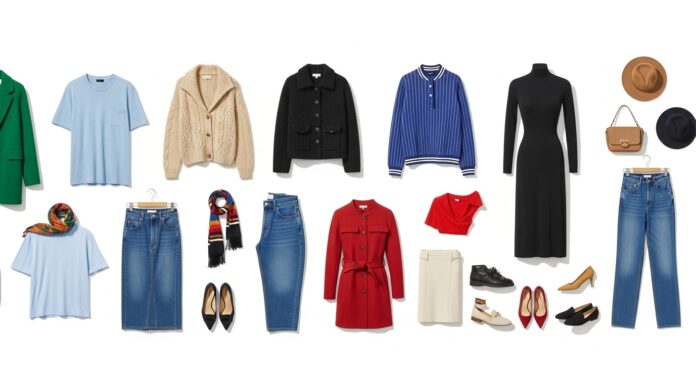
Walk through central London on any given afternoon and the range is obvious — someone in a tailored trench coat waiting for a bus, a group in oversized streetwear outside a gallery, a shop window full of the kind of quiet, well-made basics the UK does particularly well. British fashion doesn’t really have one signature look. It has several, running side by side: heritage tailoring on one end, digital-first fast fashion on the other, and a lot of genuinely interesting design in between.
This list covers ten UK clothing brands that, between them, cover most of that range — from century-old luxury houses to online retailers built entirely for a generation that shops on their phones.
1. Burberry
Burberry has been operating since 1856, and its trench coat remains one of the most recognisable pieces in British fashion — a design that’s stayed close to its original silhouette while the brand around it has gone through several creative reinventions. For the fiscal year ending April 2023, Burberry reported group revenue of £3.09 billion, up 10% year-on-year, with strong performance in leather goods and outerwear.
What makes Burberry worth knowing isn’t just the heritage — it’s that the brand has managed to stay relevant to younger luxury shoppers without abandoning the codes (the check pattern, the trench, the equestrian knight logo) that make it recognisable in the first place.
2. Alexander McQueen
Founded by the late Lee Alexander McQueen in 1992 and now part of the Kering group, this house is still defined by the theatrical, technically ambitious runway shows that made its name — skeleton-print silk, armor-like tailoring, collections built around a strong narrative rather than a simple seasonal theme. Kering doesn’t break out Alexander McQueen’s revenue separately from its group results, so a specific current figure isn’t publicly available Kering reports Alexander McQueen within its broader “Other Houses” segment, which generated €2.9 billion in revenue in 2025.
It’s not an everyday brand for most people, but it’s influential well beyond its own sales — the silhouettes and techniques McQueen popularised show up, diluted, on high street rails every season.
3. Paul Smith
Paul Smith opened its first shop in Nottingham in 1970 and has stayed a private, family-influenced business since. The brand’s identity is built on classic tailoring given an unexpected twist — a plain navy suit lined in a wild floral print, a “Signature Stripe” that’s become instantly recognisable without ever feeling like a logo. As a private company, Paul Smith doesn’t publish revenue figures the way listed companies do — however, its latest reported group turnover was £181.2 million for the year ended 30 June 2025.
Where Paul Smith stands out is in refusing to treat classic menswear as static — the tailoring is proper, but the details are playful enough that the clothes never read as stuffy.
4. Ted Baker
Ted Baker launched in Glasgow in 1988 and built its name on detail-driven, slightly quirky designs — unexpected linings, witty product descriptions, a general sense of humour that set it apart from more austere British tailoring brands. The company was taken private in 2022 after a period of financial difficulty and restructuring, and current trading figures aren’t consistently public in the way they were when it was listed on the London Stock Exchange — the latest publicly filed accounts for Ted Baker Holdings cover the year ended 31 December 2024, but they do not report a current group turnover figure.
Even through its financial struggles, the design language — smart-casual with a wink — has remained fairly consistent, which is part of why the brand still has a loyal following.
5. Vivienne Westwood
Vivienne Westwood built her reputation on punk, and the brand has never fully let go of that DNA even as it’s grown into a globally recognised fashion house. Corsetry, tartan, and deliberately provocative tailoring all trace back to her early work in 1970s London, and the brand has increasingly positioned sustainability and ethical production as part of its identity in recent years. As a privately structured company, current revenue figures aren’t consistently published — however, Vivienne Westwood Limited reported approximately £155 million in revenue for the year ended 31 December 2024.
What’s kept Westwood relevant is that the brand’s politics were never just marketing — campaigning on climate and social issues has been part of the label’s identity for decades, not a recent addition.
6. Marks & Spencer
Marks & Spencer, founded in Leeds in 1884, is less a fashion brand than a British institution — the place most people default to for reliable basics, workwear, and school uniforms as much as anything trend-driven. For the fiscal year ending April 2023, M&S reported group revenue of roughly £11.9 billion, with its clothing and home division growing by over 11% on the back of a broader turnaround strategy.
M&S isn’t trying to be cutting-edge, and that’s the point. Its value is consistency — clothing that fits well, wears reliably, and doesn’t require chasing a trend cycle to stay useful season after season.
7. Jack Wills
Jack Wills launched in 1999 with a preppy, collegiate aesthetic built around English seaside towns rather than American campuses — think rugby shirts, quilted gilets, and a lot of Union Jack branding aimed squarely at students and young professionals. The brand went through administration in 2019 and was acquired by what’s now Frasers Group; current standalone revenue figures for the brand aren’t independently published — Jack Wills is reported within Frasers Group’s Premium Lifestyle segment, which generated £975.7 million in revenue for the 52 weeks ended 26 April 2026, rather than as a separate standalone revenue figure.
It’s a smaller, more niche name than most on this list, but it still holds a specific cultural moment — early-2010s British university style — that a lot of people associate directly with the brand.
8. Reiss
Reiss, founded in London in 1971, has built its name on tailored, contemporary pieces that sit just above high-street pricing without tipping into full luxury territory — the kind of brand people reach for when they need something that looks considerably more expensive than it is. It’s privately held, with Warburg Pincus and the Reiss family among its owners, and doesn’t publish detailed public revenue figures — however, its latest reported sales were £371.4 million for the year ended January 2025.
Reiss’s appeal is largely about fit and fabric quality at a price point that’s genuinely accessible for people who don’t want to spend designer money on a work wardrobe.
9. ASOS
ASOS launched in London in 2000 — originally an acronym for “As Seen On Screen,” selling imitations of celebrity and film outfits — and grew into one of the largest online fashion retailers in the UK. For fiscal year 2023, ASOS reported group revenue of £3.55 billion, down from £3.94 billion the previous year, as the company shifted its focus from pure growth toward profitability.
ASOS’s real influence has been on how younger shoppers buy clothes in the first place — fast turnaround, huge selection, and an entirely online model that other UK retailers have had to adapt to, whether they wanted to or not.
10. Superdry
Superdry, founded in 2003 by Julian Dunkerton, built its identity on a mix of vintage American workwear and Japanese-inspired graphics — a combination that felt genuinely new when it launched and has been widely copied since. For the fiscal year ending April 2023, Superdry reported group revenue of £622.5 million, up slightly year-on-year, though the company also posted a significant statutory loss driven largely by store-related impairments.
The brand has had a rockier few years financially than most others on this list, but the design identity — bold graphics, technical outerwear, a slightly maximalist logo culture — is still distinct enough to set it apart from more generic streetwear labels.
What Ties These Brands Together
Looking at this list as a whole, a pattern shows up: the UK’s strongest fashion brands tend to hold onto one clear idea and build outward from it, rather than chasing whatever’s trending each season. Burberry has the trench. Paul Smith has playful tailoring. ASOS has speed and scale. Even brands going through financial difficulty — Ted Baker, Jack Wills, Superdry — have mostly held onto a recognisable design identity through the turbulence, which is often what keeps a brand’s customer base loyal even when the business behind it is struggling.
That consistency is worth paying attention to as a shopper, too. A brand with a clear identity tends to be a safer long-term buy than one chasing every micro-trend, if you’re building a wardrobe you actually want to wear for more than one season.
Final Thoughts
British fashion doesn’t reduce easily to one look, and that’s arguably its biggest strength. Whether it’s Burberry’s century-and-a-half of tailoring history, ASOS’s entirely digital model, or Paul Smith’s refusal to take classic menswear too seriously, each of the brands on this list represents a genuinely different answer to the same question: what does it mean to dress well in Britain right now.

