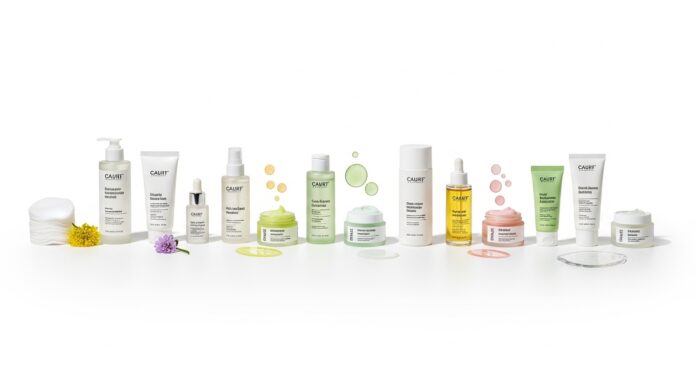
Sarah, a professional juggling a demanding job and family life, always felt something was missing from her skincare. She owned plenty of products — serums, masks, a cleanser someone had recommended — and yet her skin still looked tired and flat. It wasn’t until she stopped adding products and started thinking about what actually creates radiance that things changed.
That’s the part most people skip. Glow isn’t a product you buy; it’s the visible result of a few specific things happening in your skin. Once you understand what those are, building a routine around them becomes much simpler than the endless shelf of options suggests.
This guide covers what “glowing skin” actually means physically, which ingredients genuinely support it, how to structure a routine around radiance, and the lifestyle factors that matter as much as anything you apply topically.
What “Glowing Skin” Actually Is
Glow gets talked about as though it’s mysterious, but it’s fairly mechanical. Skin looks radiant when three conditions are met:
The surface is smooth. Dead skin cells sitting on the surface scatter light unevenly, which reads as dull. Smooth skin reflects light in a more uniform way — that’s the actual optics behind “glow.”
It’s properly hydrated. Well-hydrated skin is plumper, which softens the appearance of fine lines and texture. Dehydrated skin looks flat and shows every line more sharply.
The barrier is intact. A healthy skin barrier means less redness, less irritation, and more even tone. A compromised barrier — usually from over-cleansing or over-exfoliating — produces exactly the dull, patchy look people then try to fix with more products.
Everything worth doing for glow comes back to one of these three. That’s a far more useful framework than chasing whatever ingredient is currently trending.
The Core Routine for Radiance
Cleansing: the foundation
Cleansing removes the oil, sweat, pollution, and makeup that accumulate over a day — buildup that both dulls the complexion directly and blocks everything applied afterwards from absorbing properly.
The key is gentleness. A cleanser that leaves skin tight and squeaky has stripped the barrier, which works directly against glow. A gentle cleanser morning and night suits most people; for drier skin, water alone in the morning with a proper cleanse at night often works better.
Exfoliation: the fastest route to visible glow
If one step most directly produces radiance, it’s exfoliation — it addresses the surface-smoothness factor head-on by clearing away the dead cells that scatter light.
Once or twice a week is the standard guidance and plenty for most skin types. Chemical exfoliants generally work more evenly than physical scrubs: AHAs like glycolic and lactic acid work on the surface and are particularly associated with brightness, while BHAs like salicylic acid are oil-soluble and better suited to congested or oily skin.
The temptation is always to do more, because the results are immediate and satisfying. Resist it. Over-exfoliating damages the barrier, and a damaged barrier produces dullness — the exact opposite of the goal.
Toning: optional, but useful
Modern toners mostly rebalance skin after cleansing and add a light layer of hydration. Ingredients like witch hazel are used for their astringent, soothing properties, while hydrating toners containing humectants suit drier skin better.
This step is genuinely optional. If your routine works without it, there’s no need to add one.
Serums: where targeted work happens
Serums carry concentrated active ingredients, and they’re where you address specific concerns rather than general maintenance. For glow specifically, a few stand out:
Vitamin C is among the most evidence-supported ingredients for brightness and evening out tone, and it also provides antioxidant protection against environmental damage. It’s typically used in the morning, under sunscreen.
Niacinamide supports barrier function while helping with tone and the appearance of pores — a good option for people whose skin is easily irritated, since it’s generally well tolerated.
Hyaluronic acid is a humectant that draws water into the skin, directly addressing the hydration factor. Applied to slightly damp skin and sealed with moisturizer, it makes a visible difference to plumpness.
Retinoids have the strongest evidence base for texture and fine lines over time, though they commonly cause irritation initially and need introducing slowly — start twice a week at night and build up.
Moisturizing: non-negotiable for every skin type
Moisturizer supports the barrier and keeps skin hydrated, which covers two of the three glow factors on its own. Every skin type needs it, oily skin included — skipping it because skin feels greasy can backfire, as dehydrated skin sometimes responds by producing more oil.
The difference is texture rather than whether to use one: lightweight gels for oilier skin, richer creams containing ceramides or glycerin for dry skin.
Sun protection: the step that protects everything else
Sunscreen is the most impactful step in any routine and the one most often skipped. UV exposure drives uneven tone, pigmentation, and loss of elasticity — all of which work directly against radiance. Every other step is essentially maintenance work that sun damage undoes.
The Skin Cancer Foundation advises a broad-spectrum sunscreen of at least SPF 30 for daily use, and a water-resistant formula with SPF 50 or higher for extended time outdoors. Its application guidance is specific too: roughly one ounce applied about 30 minutes before going outside, reapplied every two hours or immediately after swimming or sweating. The American Academy of Dermatology recommends broad-spectrum, water-resistant SPF 30 or higher as well.
This applies year-round, not just in summer — UV penetrates cloud cover and windows.
Tailoring Your Routine to Your Skin Type
Oily skin: Gel-based cleansers, salicylic acid as the exfoliant of choice, and oil-free or gel moisturizers. Niacinamide is a useful addition for tone and oil regulation.
Dry skin: Cream-based, non-foaming cleansers and richer moisturizers with ceramides or hyaluronic acid. Lactic acid is a gentler exfoliating option than glycolic. Applying moisturizer to damp skin traps additional hydration.
Combination skin: A gentle cleanser across the whole face, with targeted application elsewhere — lighter products through the oilier T-zone, something richer on drier areas.
Sensitive skin: Fragrance-free and dye-free formulas with short ingredient lists. Calming ingredients like chamomile or aloe help. Introduce anything new one product at a time, several weeks apart, so you can identify what causes a reaction if one happens.
Not sure of your type? Cleanse, wait an hour without applying anything, and see how skin feels: tight and flaky suggests dry, shiny all over suggests oily, shiny only in the T-zone suggests combination.
The Lifestyle Side of Glowing Skin
Topical products do a lot, but they can’t fully compensate for what’s happening underneath.
Sleep is when skin does most of its repair work, and the effect of consistently poor sleep shows up in the complexion faster than almost anywhere else — dullness and under-eye shadowing being the most visible signs.
Hydration matters, though not in the “eight glasses and your skin transforms” sense that gets repeated online. Adequate water intake supports overall skin function; it isn’t a substitute for topical hydration, which works on the outer layers directly.
Diet plays a supporting role. Foods rich in antioxidants and healthy fats support skin health generally, and there’s reasonable evidence linking very high-sugar diets to skin ageing, though individual responses vary considerably.
Stress affects skin through hormonal pathways, which is why breakouts and flare-ups so often coincide with high-pressure periods. It’s rarely something you can just eliminate, but it’s worth recognising as a factor rather than assuming a product has stopped working.
Smoking and alcohol both have well-documented effects on skin — reduced circulation and dehydration respectively, both of which work directly against radiance.
Common Mistakes That Undermine Glow
Over-exfoliating. The most common mistake, precisely because early results feel so good. Twice a week is a reasonable ceiling.
Skipping sunscreen on cloudy days or indoors. Inconsistent use undermines the benefit of everything else in the routine.
Layering too many actives at once. Vitamin C, retinoids, and exfoliating acids all work individually, but introducing them together frequently causes irritation. Add one at a time, weeks apart.
Judging products too quickly. Skin cell turnover runs on roughly a monthly cycle, so most products need four to twelve weeks of consistent use before meaningful change appears. Switching every fortnight is why many routines never deliver.
Chasing “glow” products over routine fundamentals. A well-executed basic routine outperforms an elaborate one built around whatever’s trending.
Building Your Own Routine
Start smaller than you think you need to. Cleanser, moisturizer, and sunscreen in the morning; cleanser and moisturizer at night. Get that consistent first.
Then add one thing at a time. An exfoliant twice a week is usually the highest-impact addition for glow specifically. After a few weeks, consider a vitamin C serum in the morning or a retinoid at night — but not both at once, and not immediately.
Order matters: thinnest to thickest. Cleanser, toner, serums, moisturizer, and sunscreen last in the morning. A heavy cream applied before a lightweight serum means the serum largely can’t get through.
Morning and Evening Serve Different Purposes
It helps to think of the two halves of the day as doing different jobs rather than repeating the same steps twice.
Mornings are about protection. A gentle cleanse, an antioxidant serum like vitamin C, moisturizer, and sunscreen as the final step. The goal is shielding skin from what it’s about to encounter — UV, pollution, environmental stress.
Evenings are about repair. Remove the day’s buildup properly, then apply anything more active: exfoliants on the nights you use them, retinoids if they’re part of your routine, and a more substantial moisturizer. Skin’s repair processes run most actively overnight, which makes it the better window for ingredients meant to change something rather than maintain it.
Exfoliating acids and retinoids both belong at night rather than in the morning, since they can increase sun sensitivity. If you wear makeup or heavier sunscreen, a double cleanse in the evening — an oil-based first step followed by your regular cleanser — removes it more thoroughly than a single pass.
Adjusting Through the Seasons
Skin’s needs shift with the weather, and a routine that works perfectly in summer often falls short by midwinter.
Cold months bring lower humidity and indoor heating, both of which pull moisture from skin. This is usually when switching to a richer moisturizer helps, and when it’s worth scaling back exfoliation slightly — a compromised barrier is more likely in dry conditions, and barrier damage shows up as dullness.
Warm months typically call for lighter textures and more diligent sunscreen reapplication, particularly with more time outdoors and more sweating.
The core steps don’t change across seasons; the formulations do. Skin feeling tighter or oilier than usual is generally a signal to adjust texture rather than overhaul the whole routine.
When to See a Dermatologist
An over-the-counter routine handles a great deal, but not everything. Persistent dullness that doesn’t respond to a consistent routine over a few months, sudden changes in skin, new or changing moles, chronic redness, or anything painful or worsening are all worth having assessed professionally rather than treated by trial and error.
A dermatologist can also identify underlying causes — hormonal factors, conditions like rosacea or eczema, reactions to something unsuspected — that no amount of product-switching will resolve.
Final Thoughts
Glowing skin comes down to three things: a smooth surface, proper hydration, and an intact barrier. Almost every genuinely useful piece of skincare advice maps back to one of those, which makes it a far more reliable filter than following trends.
Like Sarah, the shift that makes the real difference usually isn’t finding a miracle product — it’s building a simple structure that suits your skin and giving it enough time to work. Start basic, stay consistent, protect from the sun daily, and adjust based on how your skin actually responds rather than what’s currently being recommended everywhere.

